
|

So, you’ve done your research, you’ve found a hygienic piercing studio with a knowledgeable and confident piercer that you can trust, and you’re ready to take the first step to getting your dream piercing. But have you prepared for your piercing?
There are many different things to consider when preparing yourself for a piercing, and these apply to you whether you’re a novice to piercing or have had multiple piercings. I have received over 150 piercings in my life, and I still practice these steps with every piercing I have. I do this so that I can ensure I have given my body the best chance of healing my piercing, and while every person, situation, and piercing placement is different, the advice below will certainly help you to have a smoother experience with your piercing.
Be Honest
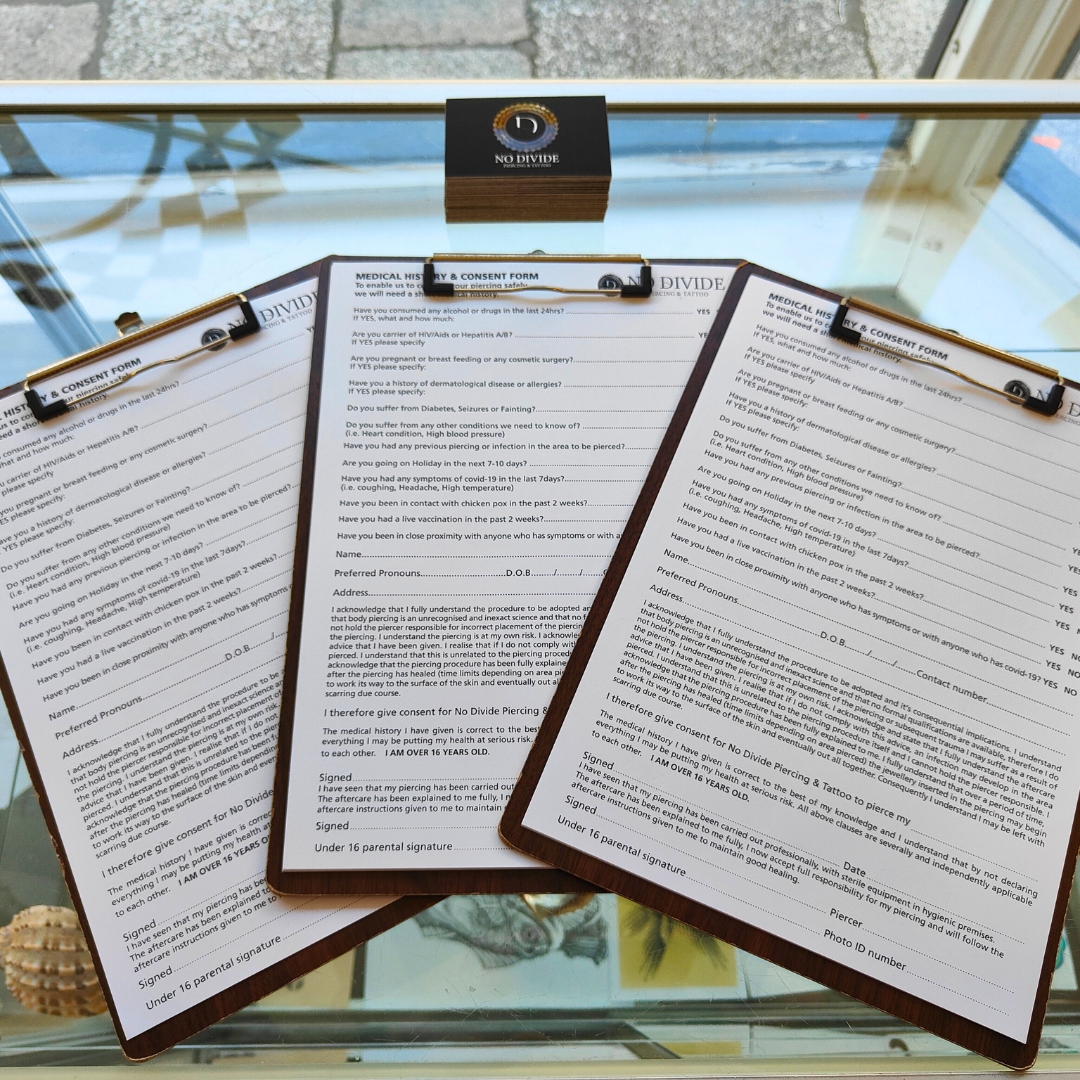
In order to go ahead with your piercing, you will be given a form to fill out, and it’s important to be completely transparent when filling this form out. Our forms contain multiple questions that are designed to help us ascertain your mental and physical state when you visit us. We want to ensure that you are not only physically well, but mentally fit enough to continue with a piercing.
There are many medications that are detrimental to the health of your piercing. If you have diabetes, or you are pregnant, you must relay this information to your piercer. You may be declined the piercing if you are on blood thinners, particularly if you are prescribed Warfarin or Rivaroxaban, as there is elevated risk of bleeding and infection due to your bloods decreased ability to clot and to form the necessary barriers conducive to healing.
If you have had a beer the night before, please tell us. Alcohol thins the blood and may make you more prone to bleeding, but excessive drinking is not advised the day before your procedure. You will likely be very dehydrated and your body will not be in the healthiest starting position for healing your piercing. We recommend waiting a few days until you are on top form once again.
It’s always better to be safe than sorry, and being declined a piercing means that we are not willing to risk your health for a new piercing that could harm you further or cause problematic healing.
Mindful Preparation
Your mentality when walking in is just as important as your body. It’s very normal to be nervous, even seasoned piercees will feel a pang of nerves before a piercing. Even after all these years, I still feel nervous before receiving a piercing, and there’s absolutely no shame in it!
You can try listening to some music before your appointment, reading a book, even meditation. How you practice a little self-care before your appointment is up to you, but it’s definitely recommended, and will help you to arrive to your appointment in a calm state.
If you are tearful, emotional, frustrated, or upset, then we may recommend that you move your piercing to another day to avoid distressing yourself any further.
Eat Something
Make sure that you have eaten. During the piercing, you are likely to experience a drop in blood sugar which can make you feel faint, dizzy, and a little hot. It’s extremely important to make sure you have eaten to lessen this impact. Find the time to have breakfast, or lunch, and if you’re too nervous to eat, bring a fizzy drink with real sugar with you. A piercing studio should have sweets, drinks, or lollypops on hand just in case you need them.
Bring Someone With you
If you’re nervous and need some support, please feel free to bring someone with you. However, try to avoid bringing multiple people to your appointment. Piercing studios are typically small, and multiple people can make navigating around you very difficult, as well as potentially confusing important information. It can be chaotic when we would like you to be as calm as you can be, so try to bring one trusted friend or family member to keep you calm, or to hold your hand throughout the procedure.
Realistic Expectations
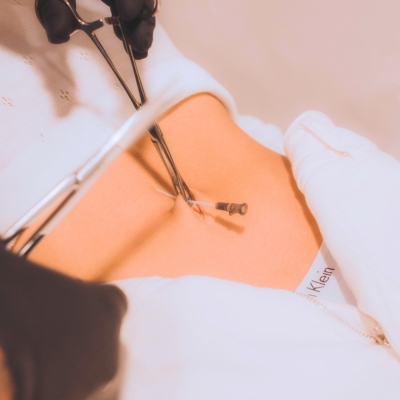
Come to your appointment with reasonable expectations. Anatomy is different for everyone, and piercing is reliant on suitable anatomy for optimum healing. If you do not have the correct anatomy for your piercing, you may need to rethink your piercing plans. It can be disappointing, but it’s crucial that you understand why you have been declined for a particular piercing. It’s likely that your piercer can see that a piercing will reject over time, or that there simply isn’t enough skin to pierce in the first place.
We typically need to check your anatomy if you are looking to get a Bridge, a Belly Button, or an Industrial piercing, and you may need to come in and see us before we book the appointment to make sure your anatomy is suitable for these piercings. This is particularly true for Belly Button or Navel piercings, especially in younger people. Our bodies continue to grow into our twenties, and if your navel isn’t quite suitable in your teens, there’s still a chance you can have this piercing, just give it a little patience.
Just because your friend was able to get their navel pierced, doesn’t mean that you can, and your piercer will decline the piercing to avoid you having a negative and damaging experience in the future. The good news is, there are always plenty of other piercings you can choose from, and your piercer will discuss options with you so that you can make a safe and informed decision for your body.
Expectations with Healing
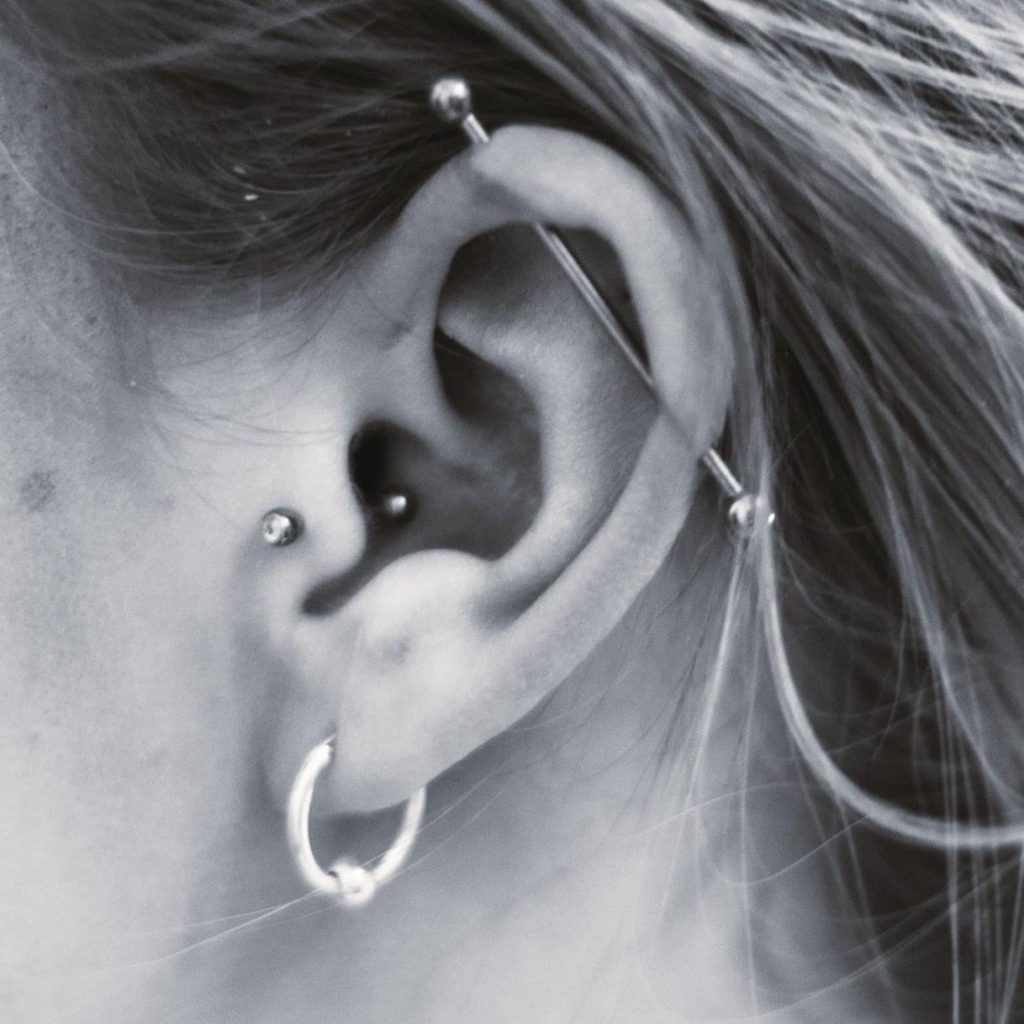
Another note to make about expectations is healing. Your piercing is a wound with a piece of jewellery in place to prevent it from closing. This is essentially an irritant that prevents the hole from healing rapidly the way that a simple cut would heal. This means that the healing time for a piercing is significantly longer than a cut or a scrape. Your body is attempting to heal with a foreign object in the way, and this will take time.
With this in mind, it’s important to bear in mind any upcoming events you have, such as a holiday or a surgery. Removing the jewellery even for a moment, swimming in the sea, or anything that will put undue stress on your body will delay the healing of your piercing. Piercings typically do not always look aesthetically pleasing in the healing phase, there is often swelling and redness early in the process, and if you are prone to irritation bumps, these can be unsightly while you are healing. Bear all of this in mind if you are keen to have a particular piercing for a wedding or an event where photos are to be taken. You may want to wait until you can heal your piercing in peace.
Jewellery
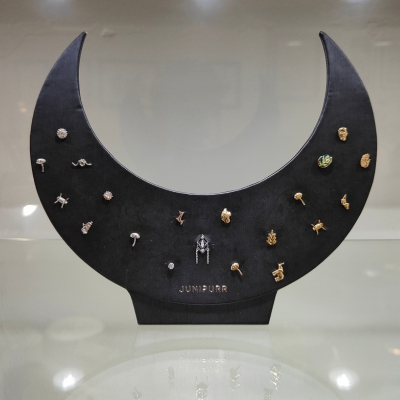
It is likely that you had a very clear idea of the initial jewellery you would wear for example, you might be disappointed to find out that your piercer does not pierce with rings. This is important to bear in mind when choosing your piercing. At No Divide, we do not pierce noses with rings as the healing can be problematic and lengthy. Understanding why certain decisions are made is key to managing the healing of your piercing, and piercing with unsuitable jewellery will cause you much bigger problems later down the line.
Your initial jewellery will be very long to accommodate swelling, and this initial jewellery can be changed after a week or two to something a little shorter, but that will still allow for any swelling that might occur. It’s important to have this initial longer bar so that in the rare instance that you do have some unusually severe swelling for any reason, your jewellery won’t embed in your skin and cause discomfort. Once your swelling has reduced and your piercing is healed, we can change your jewellery down again to something much more fitting.
Aftercare
This part is up to you. A good piercing studio will give you an aftercare sheet with all of the details of safe healing, as well as tips to help with issues like swelling, redness, and irritation bumps. But to reiterate an earlier point, piercings do not heal instantly. They are a labour of love, and one that you must earn with hygiene and care. Not sleeping on your piercing, returning for a downsize when your piercer instructs you to, and refraining from touching your piercings are all ways to ensure you are minimising the risks to your piercing.
It might be tempting to get a helix piercing on both sides, but sleeping on one or the other will likely cause issues down the line, so be mindful about your sleeping habits. We recommend no more than three in one session, and no more than this in two months.
Piercings may be small, but it takes a tremendous effort for your body to heal, so be kind to your body by being patient, and looking after not just your piercing, but your body as well. A nourished body is much more capable of healing a piercing than a stressed one. Use this as the perfect excuse to get a little more self-care in, and look after yourself!