|

In the past twenty years or so, the word ‘keloid’ is often used synonymously with ‘hypertrophic scarring’, which in turn, has become the unintentional misnomer for irritation bumps. However, all three are vastly different from one another, though it can be a little confusing to figure out which one is which.
In this blog, we will outline the key difference, dispel some popular myths, and provide a little advice that will help to alleviate the annoying irritation bumps you may be experiencing on your beloved piercing.
Firstly, let’s explore what differentiates hypertrophic scarring from keloid scarring and clear up some confusion.
Hypertrophic Scarring
Hypertrophic scarring is typically a raised scar that can be a little sore or itchy, and can be relatively firm, but never grows beyond the area of the initial wound. This type of scarring is typically formed through irritation to a healing wound, or around a wound that has been reopened during healing, though the formation of this type of scarring will only occur during the healing phase. This form of scarring is what you might expect from surgery, or a wound that has had interrupted healing over time and can be treated with oils and massage to minimise the appearance and discomfort.
Keloid Scarring

Keloid scarring is a rare formation of firm scars that grow larger than the initial wound. Unlike hypertrophic scarring, this form of scarring develops if you have too much collagen in your skin. Keloids can result from an injury, surgery incisions, burns, and even acne, and as well as being painful and itchy, the scar can be much larger than the wound itself and can continue to grow long after the wound has healed. It is important to note that this overproduction of scar tissue is benign and is not contagious.
I have included a photo that a wonderful client has kindly provided of a keloid that has resulted from a conch piercing. This is a rare genetic occurrence that, in rare cases, can be triggered by a piercing. Keloid scarring is NOT the result of poor piercing practice, piercing hygiene, or placement. If you are worried that you are prone to keloid scarring, please speak to your GP before receiving any piercings or tattoos.
Irritation Bumps

Irritation bumps can occur during the healing phase of a piercing, and are most likely the result of incorrectly fitted jewellery, the wrong type or poor quality of jewellery, knocking, sleeping on, or snagging the piercing. These bumps are usually sore, producing lymph or crust, and can look angry, red, and unsightly. If not properly treated, these can form into a form of hypertrophic scarring bump that can be difficult to treat, so it’s best to nip this issue in the bud at the first hurdle.
Our lovely client has an irritation bump resulting from an incorrectly positioned industrial piercing. We advised her to remove the piercing and treat the irritation bumps.
Irritation bumps are often mis-labelled as a keloid and it is highly unlikely that the bump you are experiencing on your piercing is a genuine keloid. However if you or your family are predisposed to keloid scarring, then please seek advice from a doctor about any unusual growths around your piercing.
Irritation Bump Causes
When you first encounter a piercing bump, it is so important that you identify the possible cause. One of the most common issues for irritation bumps on the ear is moisture, but below is a list of the most common reasons we see irritation bumps in our studio
· Moisture – regularly not drying your piercing after a bath or shower causes moisture to sit behind the discs of your jewellery and prevents your piercing from healing correctly. Make sure you dry your piercing with some cotton
· Impatience – Replacing your jewellery before your piercing is fully healed not only irritates your piercing, but the jewellery you may be using might not be up to snuff. If it’s silver or made from a plated nickel, you may find yourself with more problems your healing piercing
· Irritation – this is an obvious one, but moving your jewellery, sleeping on your piercing, snagging your jewellery in your hair or clothing, and lotions and makeup can all cause irritation bumps in varying degrees.
· Fiddling – One of the most common phrases you will hear in any piercing shop is “stop touching it!” And for good reason. Unwashed hands are covered in bacteria, each time you fiddle with your piercing you are transferring whatever is lurking on your fingers right into your little open wound. Only touch with freshly cleaned hands, and only to clean your piercing, or to change jewellery.
· Jewellery length – If there is a significant amount of bar showing, it means the bar has more chance of pulling debris through the piercing, this is why we recommend downsizing as soon as possible.
· Cleaning – you might be thinking this is a crazy one to add to the list, but there are several cleaning faux pas that can lead to an irritation bump. Using harsh cleaning chemicals can make the piercing site sore and, in some cases, too dry. Cleaning too much has the same effect, once or twice a day is enough for most people, try not to helicopter parent your piercing.
Treatment
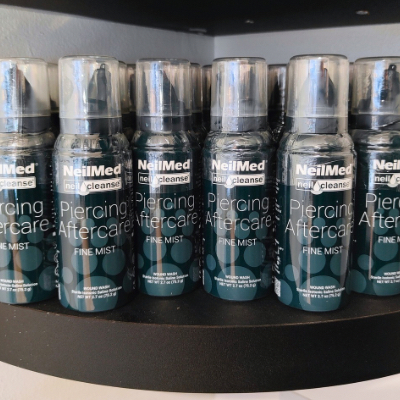
Treatment depends on the issues that you have identified as the causes of your piercing bump. If your problem is moisture, then begin drying your piercing more thoroughly. If the bar is too long, then a downsize is needed. An irritation bump is your body trying to communicate with you that something isn’t quite right, so take some time to observe what’s going on and make the necessary adjustments.
If left untreated, an irritation bump can lead to hypertrophic scarring which will require an oil such as Bio Oil to reduce the appearance, however oils are not recommended for fresh piercings with an irritation bump.
With the advent of social media as well as the growing in popularity of piercings, the door has opened for “specialised piercing bump oils”. These oils are marketed as a quick fix for piercing bumps and do not tackle the root cause. Patience is key when it comes to healing a piercing, and if it seems too good to be true, then it likely is. Identify the root cause of your irritation bump and treat it with patience and kindness.
One questionable tip that I have seen circulating since my piercing journey began back in the early 2000’s is irritation bump oils. The most common one that was accessible to us back in the day was tea tree oil though I will emphatically advise against using this on any healed or healing piercings, as tea tree oil can be very irritating to sensitive skin.
I hope this guide has cleared up some of the confusion surrounding keloid scarring, has helped you to treat your annoying irritation bump, or both! Remember, if you are ever concerned about the health of your piercing, visit your local trusted studio for someone to have a look. We are always here to help, and it makes our little hearts happy to see you take the time to ensure you are doing the best you can for your piercing.